
Friday, November 17, 2023
Designing parallel 'ends' for users in tech and healthcare
Tim Ng
@tymothy6
Why we need to consider 'ends' in product design (and elsewhere)
I recently read some very positive commentary on the glucagon-like peptide (GLP)-1 drug Wegovy (semaglutide) on LinkedIn news. These were posts praising results of a major clinical trial assessing the effect of semaglutide on heart (cardiovascular) disease. Perhaps what motivated me to write this post was how none of the perspectives critiqued the trial as the devil's advocate. Let me attempt to explain why I think that a more critical perspective is necessary when studying these drugs. The trial data was hotly anticipated because the manufacturer Novo Nordisk announced a 20% (no small number) reduction in cardiac risk during a preview released earlier this year. The GLP-1 drugs (Ozempic, Wegovy, Mounjaro, and others) are diabetes medications that have recently been popularized for weight loss in non-diabetic individuals (suffice it to say they work really, really well for this purpose). As such, there is an exceptional amount of interest and corresponding questions that have been raised regarding the mechanism of action of these drugs, their long-term safety, and whether payers should be subsidizing the cost of treatment for non-diabetics. To get up to speed on these drugs, I suggest you read this excellent review by Eric Topol, a cardiologist and leading healthcare AI researcher at the Scripps Research Institute:
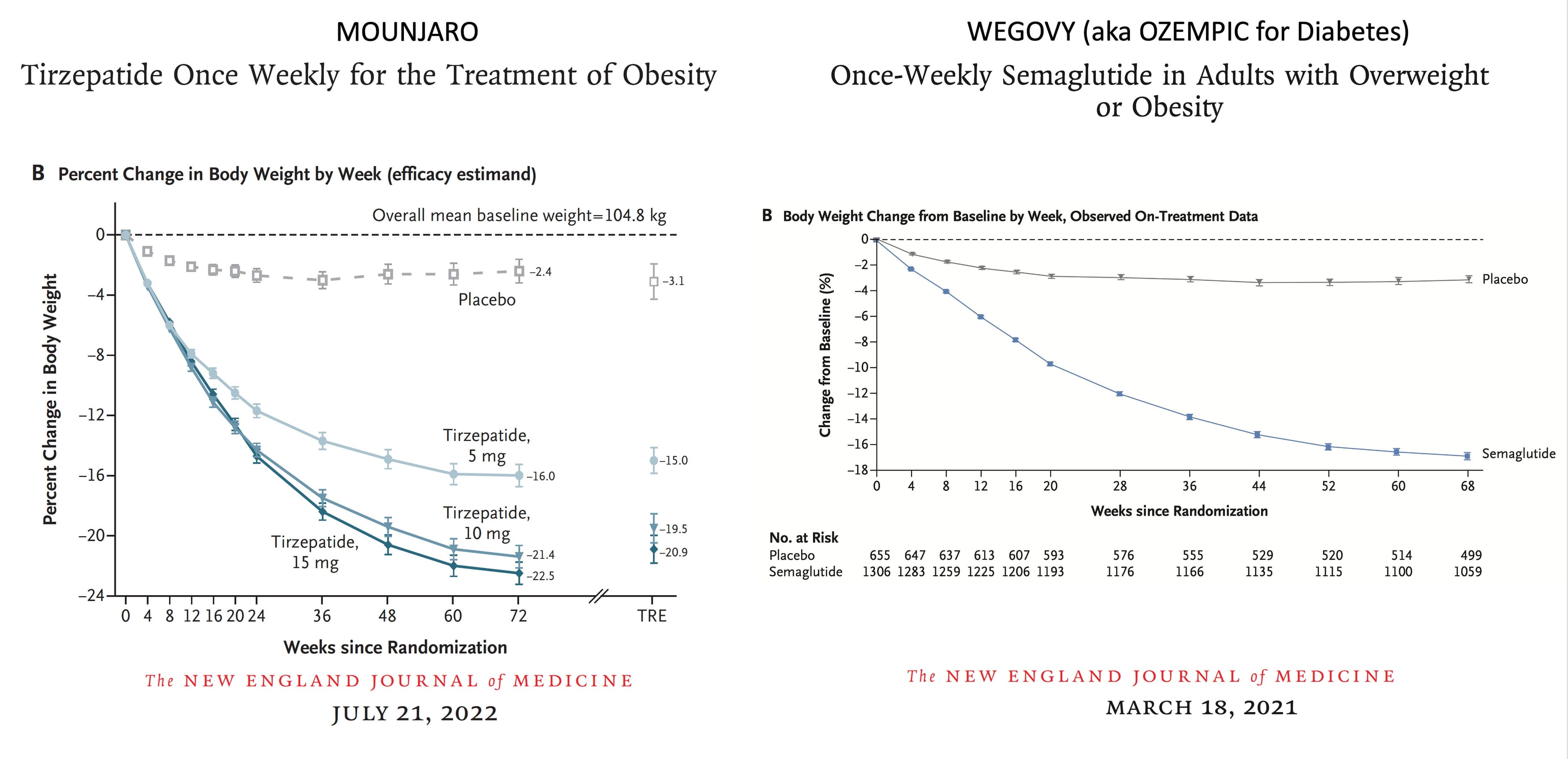
The New Obesity Breakthrough Drugs
Eric discusses several critical concerns with these drugs, including the exacerbation of socio-economic inequities (the drugs cost more than $1000 USD per month, mostly paid out-of-pocket by patients seeking weight loss under current guidelines) and the lack of a weaning strategy for patients. Another consideration for which the data is lacking is how these drugs interact holistically with diet & lifestyle changes for weight loss. Together, these issues are cautionary evidence against the marketing of these drugs as 'magic bullets' for weight loss. My thesis here is that scientists and prospective patients (the lay public) need to be mindful of the data, express curiosity when interacting with healthcare professionals, and advocate for hypothesis-driven research as these drugs continue to go-to-market. For an expert commentary on the latest trial results and a humbling perspective on the purported efficacy of these drugs for heart disease, please read Eric's recent Substack:
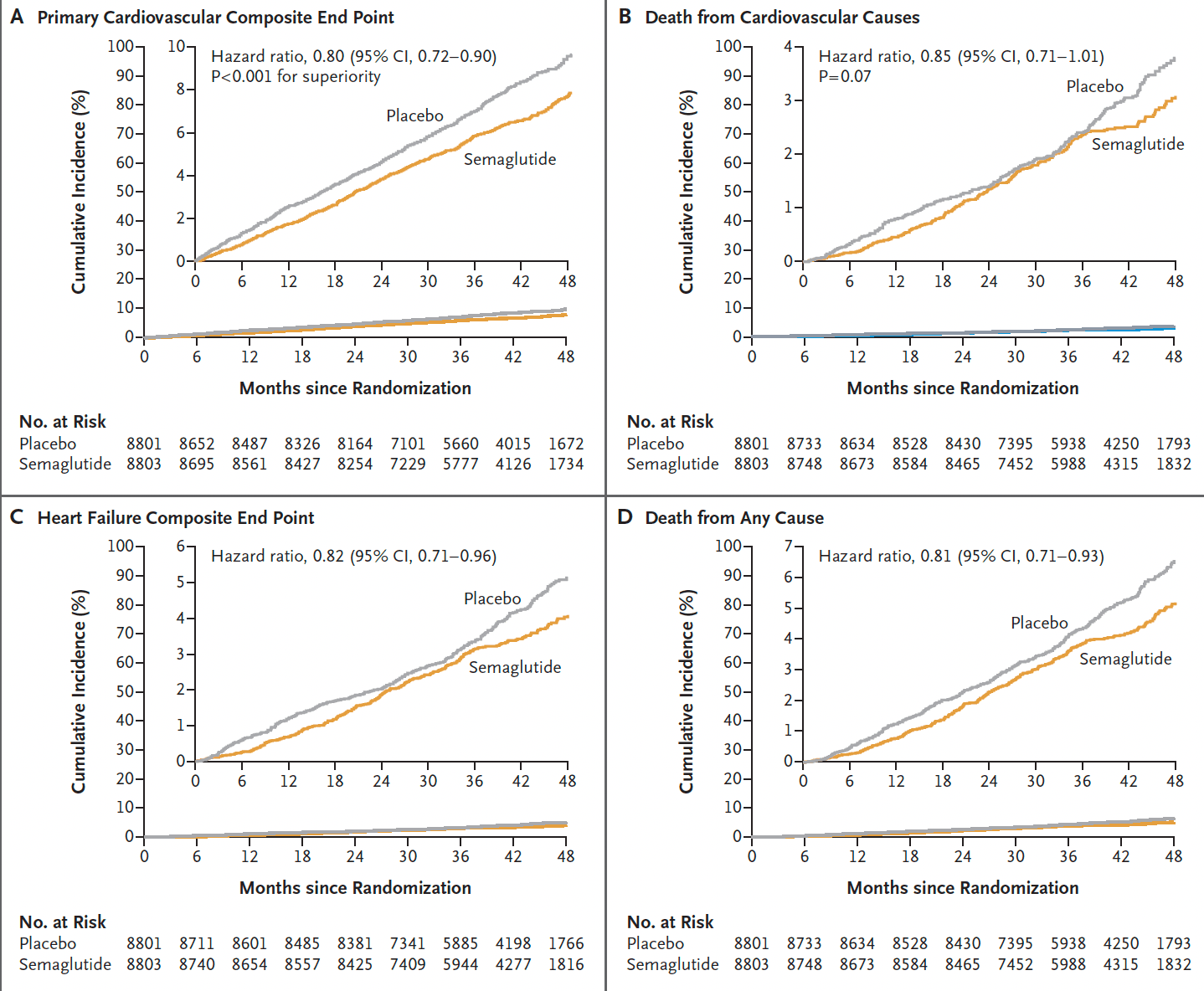
The Big Trial of a GLP-1 drug (Wegovy) to Reduce Major Cardiovascular Events
Indeed, the weaning of patients off such potent drugs is easily overlooked in drug discovery, biotech, and pharma research. These strategies are rarely codified in the manufacturer's business model. For a thought exercise, let's put ethics aside for a moment. Consider that there's probably no better guaranteed source of revenue than having a patient dosed with your drug indefinitely. How many products can claim that level of return on investment? Back to reality, you can quickly appreciate why 'endings' can be swept aside in biotech R&D. From my perspective as a bench scientist, I often quantified the effects of adding treatments to a biological system, but rarely did so when removing them. More often than not, the benchmark for success (an endpoint metric in an experiment or trial) is measured in a timescale that doesn't consider long-term consequences.
Of course, one might argue that clinical trials are the answer to these concerns. While this is true in many regards, the fact is that trials don't provide answers for all patients, nor are they sufficient to measure the effects of drug treatment over periods of time greater than 3-5 years. To expand on the former, consider what an "average" response that informs drug dosing really means. Can you empathize with those patients who inevitably don't respond to a treatment despite convincing trial results? I believe that scientists and clinicians are doing their best work within unwavering constraints like technical limitations or finite monetary and human resources. But the very concept of an 'ending' should be a consideration from the start of an endeavour. I implore you to be cognizant of this perspective regardless of your experience or profession.
The main parallel I'd like to draw in this article is to our consumption of digital & physical products. We live in a culture of rampant and unchecked consumerism. From fast fashion to the latest smartphone, one cannot deny that marketing for new and shiny products competes for our attention in an almost incessant manner. Joe Macleod has written an excellent manifesto of designing for product 'ends' he terms 'Endineering'. He's even started a design consultancy that specializes in designing 'ends'. The bulk of product design today is focused on user acquisition and retention (onboarding and usage). Product teams obsess over these metrics and actively test new experiences to improve on them. What is often neglected is the off-boarding experience that is important to place a given product in its larger ecosystem. Off-boarding ensures that your users enjoy a seamless experience transitioning away from your product. Joe argues that actively designing for ends is not only a moral and ethical imperative, but can actively support business goals.
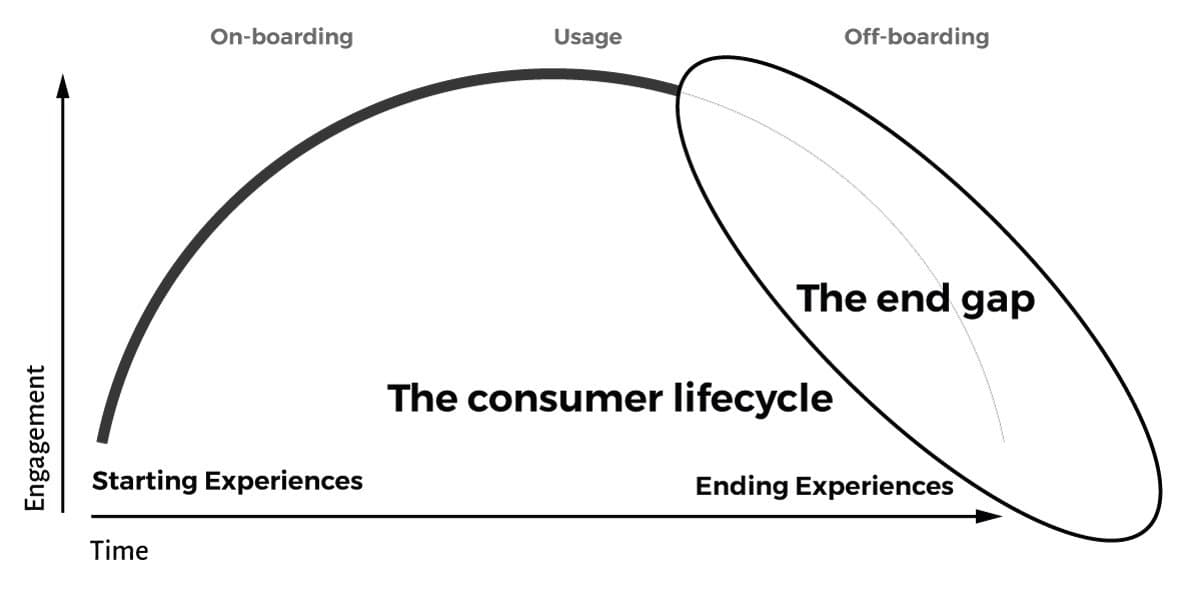
Design Ends
First, it's an incontrovertible fact that product endings are a part of your business. Failing to account for endings in your business strategy is a risk. Conversely, your customers appreciate a thoughtful and facile way out. They want to minimize risk at the end of the product lifecycle. Customer-centric businesses should be doing everything they can to break down barriers to facilitate this. One of the most thought-provoking advantages that Joe presents are businesses that actually succeed in marketing their endings. He highlights Korean automaker Kia, which began to market a 7-year warranty on their vehicles in 2007. The introduction of this "ending" strategy actually led to a doubling of Kia's market share within 5 years. Pretty remarkable, right? I'll keep you posted as I learn more about thoughtful design of endings. Both of Joe's books are on my reading list and I will be sure to write an update post in the near future with my learnings.
What are your thoughts?
Now that we've discussed the importance of product endings in two parallel disciplines, I hope that you've learnt something new from my ramblings. Have I convinced you to examine endings more closely? I'm especially keen to hear about your experiences and how endings are handled in your field. Please leave a comment or send me a message!
Liked my writing?
Buy me a coffee! ☕️Recommended posts
July 22, 2025
TNHow do policy and design intersect?

Exploring how design in government shifts between delivery, adaptation, and transformation, using a typology of design-policy relationships to make sense of transitions
July 20, 2025
TNOn 1 year of public service

A year-in-review on designing in government, exploring the tensions, responsibilities, and quiet growth that comes with practicing care and rigour